
Building a new inground swimming pool in Northeast Texas typically takes about 8 to 12 weeks once construction begins, although complex custom pools can take longer. The complete process, including design, selections, permitting, construction, inspections, and startup, may span several months. Weather, site conditions, pool features, material availability, and local approval requirements can all affect the final timeline.
At Firehouse Pools, we know homeowners are not simply waiting for a pool to be finished. They are looking forward to family swim days, backyard gatherings, and a space they can enjoy for years. Our team helps Northeast Texas homeowners navigate each phase of custom pool construction with clear communication, thoughtful planning, and attention to detail. From the first design conversation through the first dip, our goal is to make the process understandable and keep customers informed about what happens next. Knowing the typical pool construction timeline before work begins can help you plan realistically, make decisions efficiently, and enjoy the transformation of your backyard with fewer surprises.
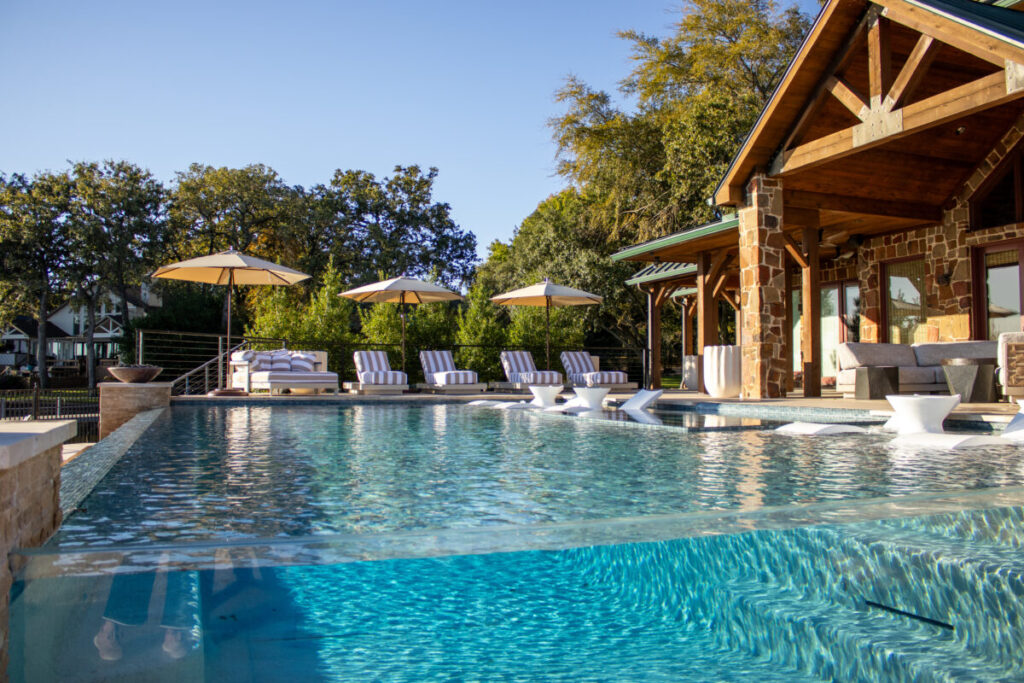
What Does the New Pool Construction Timeline Look Like?
A swimming pool installation happens in a series of carefully coordinated stages. While every property and design is different, most custom inground pool projects move through design and approvals, excavation, structural construction, plumbing and electrical work, decking and finishing, followed by pool startup.
The construction phase itself often takes roughly two to three months, but homeowners should plan additional time before excavation for design, engineering, permitting, and material selections.
1. What Happens Before Pool Construction Begins?
The pre-construction phase establishes the design, budget, specifications, and approvals needed before excavation can start. This part of the process is important because decisions made now affect nearly every stage that follows.
A typical pre-construction process may include:
- Initial consultation and property evaluation
- Pool shape, size, depth, and layout decisions
- Selection of finishes, decking, lighting, and water features
- Equipment planning
- Engineering or site planning when required
- Permit applications and approvals
- Final construction scheduling
Homeowners can help keep this stage moving by making design and material selections promptly.
In Northeast Texas, permitting requirements and review times vary by municipality and jurisdiction. Properties outside incorporated city limits may also be subject to different requirements, so the exact pre-construction schedule depends partly on where the home is located.
2. How Long Do Excavation and Structural Work Take?
Excavation itself can happen quickly, but preparing and building the pool’s structure requires multiple coordinated steps. Once the layout is marked and the site is ready, crews excavate the pool area and begin creating the structural shell.
The early construction stages commonly include:
- Pool layout and excavation
- Steel reinforcement installation
- Rough plumbing
- Structural shell installation
- Required inspections at applicable stages
This is often when the backyard changes most dramatically. Within a relatively short period, a flat lawn begins to resemble the shape of the finished pool.
Site conditions can influence the schedule. Access for excavation equipment, soil conditions, drainage issues, underground utilities, and unexpected obstacles can require additional work.
3. What Happens After the Pool Shell Is Built?
After the structural shell is complete, the project shifts toward utilities, decking, equipment, and the features that turn the structure into a finished outdoor space.
Depending on the design, this phase can include:
- Plumbing connections
- Electrical work
- Pool equipment installation
- Tile and coping
- Decking or hardscape installation
- Water features
- Outdoor lighting
- Fire features
- Landscaping coordination
A straightforward pool with a simple deck will generally move faster than a highly customized backyard with an attached spa, waterfalls, extensive decking, outdoor living features, or specialty finishes.
This is one reason homeowners should consider the entire backyard design early in the process. Planning the pool, patio, landscaping, fire features, and gathering areas together can reduce conflicts and create a more cohesive finished space.
4. What Can Delay Swimming Pool Construction in Northeast Texas?
Weather is one of the most common variables in a pool construction schedule, but it is not the only one. Rain can make excavation difficult, saturate soil, interfere with concrete-related work, and temporarily limit equipment access.
Northeast Texas receives substantial rainfall throughout the year. NOAA climate normals for East Texas locations show that rainfall is a regular consideration rather than a rare event, which makes realistic scheduling and site drainage especially important.
Other potential causes of delays include:
- Permit or inspection scheduling
- Significant rainfall or saturated ground
- Challenging soil or site conditions
- Limited backyard access
- Changes requested after construction starts
- Specialty material lead times
- Complex custom features
- Coordination with other contractors
A delay does not necessarily mean something has gone wrong. Some construction stages also require proper sequencing, inspections, or curing time before the next phase should begin.
Practical tip: If you hope to have your pool ready for a specific event or season, start planning well in advance rather than counting backward from an ideal eight-week construction window.
5. When Is a New Pool Ready for the First Swim?
A pool is ready for normal use only after construction is complete, the interior finish has been applied, the pool has been filled, and the water and equipment have been properly started and balanced.
The final steps typically include the interior pool finish, filling the pool, starting the circulation and filtration systems, and establishing appropriate water chemistry. The National Plasterers Council recommends specific startup procedures for newly plastered pools because proper water chemistry during the initial period can affect the appearance and longevity of the finish.
Your pool builder should explain startup requirements, equipment operation, basic maintenance, and any restrictions associated with the selected pool finish.
Once those final steps are complete, the construction site officially becomes what you envisioned from the beginning: your backyard pool.
How Can You Help Keep Your Pool Installation on Schedule?
Homeowners cannot control the weather, but they can prevent some avoidable delays. Making decisions early and minimizing design changes after construction starts are two of the best ways to keep a pool project moving efficiently.
Before construction, try to:
- Finalize major design choices early
- Select tile, coping, decking, and finishes promptly
- Discuss outdoor kitchens, fireplaces, landscaping, and other backyard improvements upfront
- Make sure crews will have appropriate access to the construction area
- Respond quickly when your builder needs a decision
- Avoid unnecessary changes after excavation begins
It is also helpful to discuss your desired completion date during the initial consultation. If you are hoping to swim by Memorial Day, host a summer gathering, or complete the backyard before another milestone, your builder can help establish realistic expectations.
Frequently Asked Questions About Pool Construction Timelines
Can an inground pool be built in 6 weeks?
It is possible for some relatively straightforward projects, but homeowners should not assume every custom pool can be completed in six weeks. Weather, inspections, site conditions, customization, and other factors can extend construction.
What is the longest part of building a pool?
There is no single longest phase for every project. Pre-construction approvals, structural work, decking and custom features can each become schedule drivers depending on the pool design, property, weather, and local requirements.
What is the best time to start building a pool in Northeast Texas?
Pools can be constructed during much of the year when conditions allow. The best time to begin planning is several months before you want the pool completed, especially if you want it ready for peak swimming season.
Does rain delay pool construction?
Yes. Heavy rain and saturated soil can delay excavation, structural work, decking, and other construction activities. Northeast Texas homeowners should build some weather flexibility into their expected pool installation timeline.
Plan Your Northeast Texas Pool Project With Confidence
A custom pool is a significant backyard project, and understanding the timeline makes the experience much easier to navigate. While many new pools can move through active construction in roughly 8 to 12 weeks, the actual schedule depends on design complexity, approvals, site conditions, weather, finishes, and additional outdoor living features.
Firehouse Pools helps Northeast Texas homeowners move from initial ideas to a finished backyard with careful planning and clear guidance throughout the construction process.
Ready to Start Your New Pool? Contact Firehouse Pools Today!